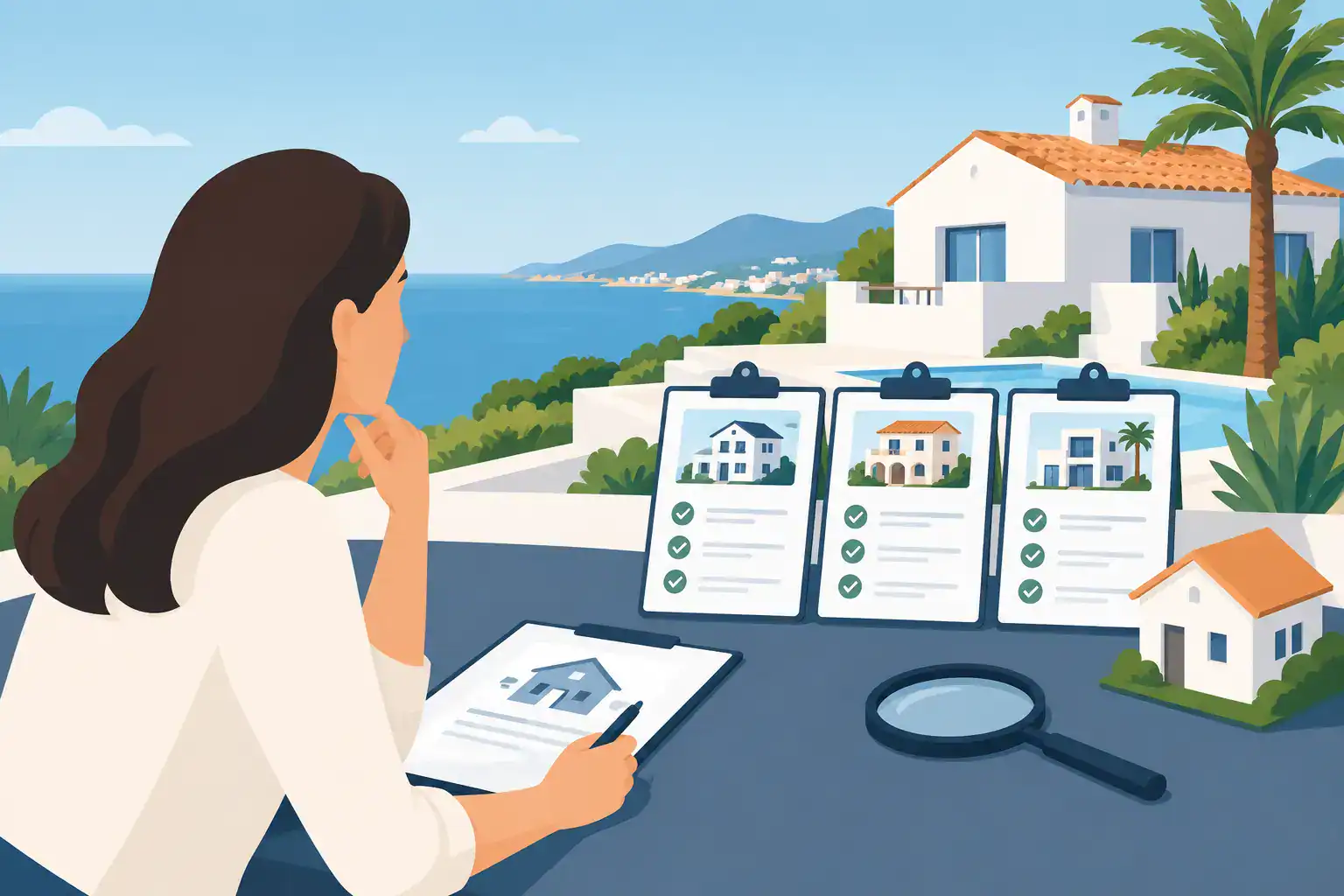
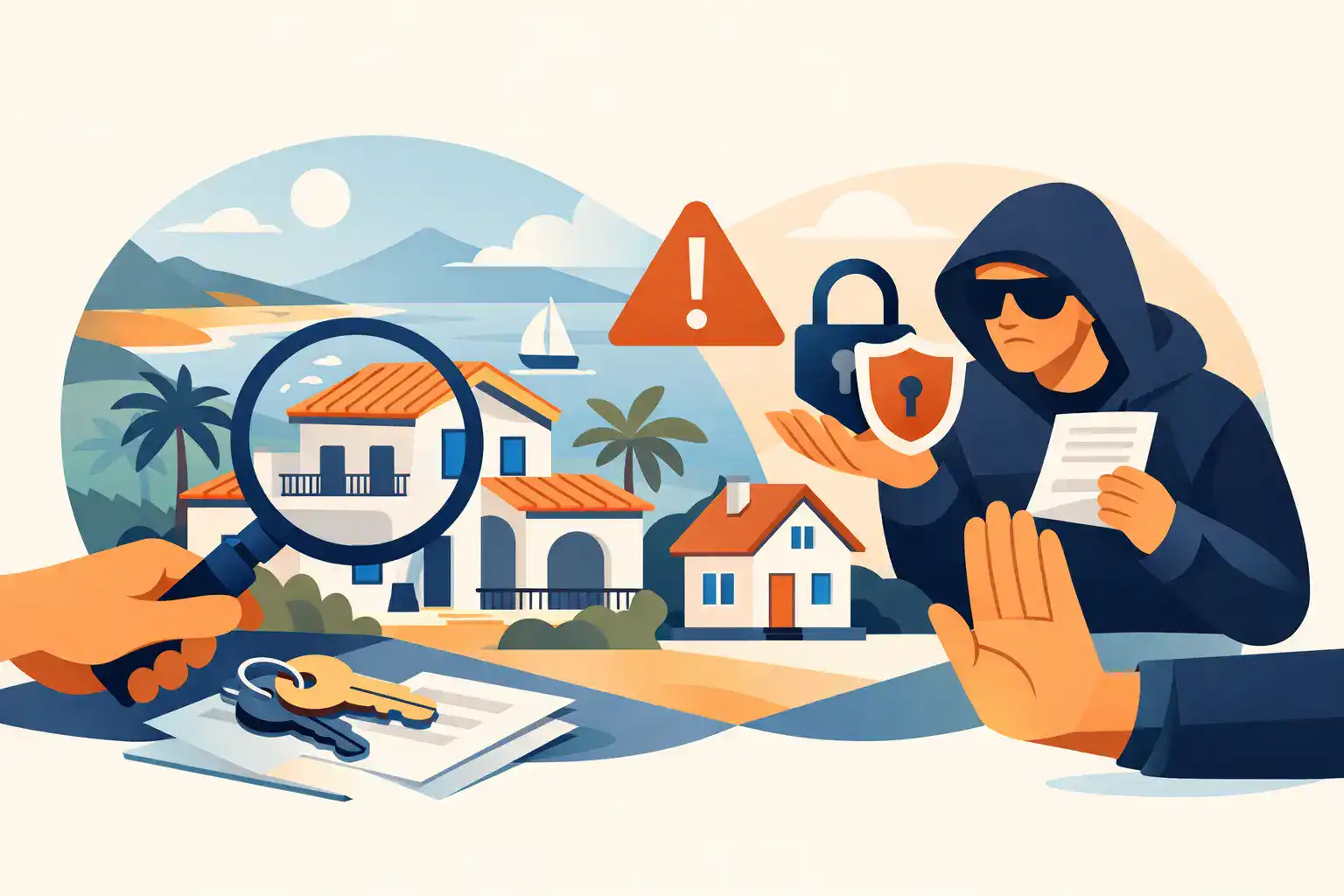
The warning signs are rarely dramatic. More often, a buyer loses money because something felt slightly rushed, slightly unclear or slightly too easy. If you are wondering how to avoid property scams in Spain, especially from abroad, the safest approach is not suspicion for its own sake. It is structured verification at every stage.
That matters even more in Valencia and along the Costa Blanca, where overseas demand is strong and many buyers are navigating an unfamiliar legal system, a different language and a fast-moving market. Scams do happen, but so do costly mistakes that are not technically fraud and still leave buyers exposed. In practice, the line between the two can feel painfully thin once a deposit has been paid.
How to avoid property scams before you view anything
The best protection starts before the first viewing. Many international buyers focus on the property itself and leave process checks until later. That is backwards. You should first confirm who is marketing the property, who owns it, and whether the basic paperwork exists to support a sale.
A polished advert proves very little. Professional photography, persuasive wording and even a convincing phone manner do not confirm that the seller has the right to sell, that the home is legally compliant, or that the asking price reflects reality. Fraudsters know that buyers from abroad often make early emotional decisions, particularly when they fear missing out on a home that suits their lifestyle plans.
A genuine listing should stand up to simple scrutiny. Ask direct questions early. Is the seller the registered owner? Is the property free of debts or charges? Does it have the correct planning status and, where relevant, a valid habitation licence? If the person handling the sale becomes evasive, defensive or oddly vague, that is not a personality issue. It is a risk signal.
The most common property scam risks buyers face
When people think of scams, they often imagine fake listings designed to steal a reservation fee. That certainly happens, but it is only one version of the problem. A buyer can also be misled by forged authority, hidden debts, illegal building works, missing licences, or a property being sold with unresolved inheritance issues.
Another common risk is pressure to transfer money too soon. A seller or intermediary may insist that a quick payment is needed to “secure” the home before documents are checked. Sometimes the bank details then change at the last minute, which raises the risk of payment fraud. Even where the seller is real, paying before due diligence is complete can leave you trapped in a weak position.
There is also a softer form of deception that catches international buyers. A property may be marketed as ready to live in, easy to rent, or simple to refurbish, when the legal and urban-planning reality says otherwise. That is not always an outright scam, but the financial outcome can be just as serious.
Verify the seller, the property and the paperwork
If you want to know how to avoid property scams in a practical sense, this is the heart of it. You verify identity, ownership and legal status before committing funds.
Start with ownership. The person selling should match the registered title, or be able to prove legal authority to act. If the property is held through an inheritance, company structure or power of attorney, that does not automatically make it unsafe, but it does require closer examination. Complexity is not the same as danger, yet complexity is where danger hides.
Then review the property records. You need to know whether there are mortgages, embargoes, charges, co-ownership complications or discrepancies between what is built and what is legally registered. In Spain, those details matter. A home can look perfect in person and still carry legal issues that affect your ability to finance, renovate, resell or simply sleep soundly after completion.
Urban-planning checks are equally important. Extensions, terraces, converted outbuildings and rooftop changes are common areas of risk. Buyers sometimes assume that if a structure exists and has been used for years, it must be legal. That is a dangerous assumption. If alterations were not properly authorised, the liability can become yours after purchase.
Never treat the deposit as a formality
Deposits are where many buyers become vulnerable. Once money moves, leverage shifts. That is why the reservation stage should never be handled casually.
Before paying anything, be clear on who receives the funds, under what contract, into which account and on what conditions the money is refundable. If there is pressure to send a quick transfer to a private account without proper documentation, stop immediately. If the reservation agreement is vague, one-sided or badly translated, stop again.
A fair contract should state the parties involved, the property details, the agreed price, the deadlines, and what happens if legal problems are uncovered during due diligence. Without that clarity, a buyer can lose a deposit not because the property was sound, but because the paperwork was written to protect everyone except the buyer.
The same caution applies to exchange of documents by email. Payment instruction fraud is real. If bank details are ever changed, verify them independently by telephone using a trusted number, not the number in the latest email.
Be careful with agents who say they represent everyone
Not all risk comes from criminals. Sometimes it comes from misaligned incentives. In Spain, many agents work primarily for the seller or for the transaction itself. That means their goal is to get the deal done. Your goal is to buy the right property safely and at the right price. Those are not always the same thing.
This is where international buyers can misread friendliness as representation. An agent may seem helpful, responsive and generous with their time, but that does not mean they are carrying out buyer-side due diligence or negotiating purely in your interest. If nobody is actively protecting your side, key issues can be minimised or missed altogether.
Ask bluntly who the agent represents, what checks they have personally verified, and what remains for your legal adviser to confirm. Clear professionals will answer clearly. Vague answers usually mean vague accountability.
New-build homes need scrutiny too
Buyers sometimes assume that new-build property is safer because it is new, clean and sold through a developer. In some ways, yes – there is often more documentation and a more standardised process. But new-build purchases carry their own risks, especially when buying off-plan.
You need to confirm the developer’s track record, the planning permissions, the building licence, the bank guarantees where required, and the exact specifications of what is being delivered. Marketing brochures are not contracts. Neither are show flats. What matters is the legal documentation, the payment structure and the remedies available if there are delays or changes.
There is also a practical trade-off here. New-builds can reduce some hidden-condition risks, but they can increase timing, specification and completion risks. That is why buyers need due diligence on the developer and the scheme, not just the home.
Local, independent advice is your best defence
The safest buyers are rarely the boldest. They are the ones who build a team before they build momentum. At minimum, that means using an independent lawyer with real property experience in the area where you are buying. Depending on the property, it can also mean bringing in an architect or technical specialist to review building condition and planning status.
For overseas buyers, local market knowledge is not a luxury. It is part of risk control. Someone on the ground can tell you whether the price is credible, whether the area has known planning issues, whether the property history makes sense, and whether the negotiation strategy is exposing you unnecessarily.
A buyer’s adviser can be particularly valuable because they look at the transaction from your side only. That independence matters when decisions need to be made quickly but safely. HelloHome Valencia, for example, positions this as buyer-only representation, which is exactly the sort of alignment international purchasers should look for when the financial stakes are high.
A simple rule for how to avoid property scams
If anyone asks you to ignore a missing document, accept a verbal promise, skip a check because “this is normal in Spain”, or transfer money faster than you can verify the facts, assume the risk is yours, because it is.
Good property purchases do not rely on trust alone. They rely on evidence, timing and proper representation. Spain offers excellent buying opportunities, but confidence should come from what has been checked, not from how reassuring the seller sounds.
The right home can still be exciting. It should just also be provable.